
Procedures · Breast Reconstruction
DIEP Flap Breast ReconstructionRebuilding the breast with your own tissue
Rebuilding the breast by moving skin and fat from the lower abdomen to the chest while the abdominal muscle is preserved. The new breast is made of your own tissue; no implant is used.

01 · What it is
What is DIEP flap breast reconstruction?
DIEP flap reconstruction rebuilds the breast after a mastectomy using your own tissue. Skin and fat from the lower abdomen are taken together with the small blood vessels that supply them and moved to the chest. The abdominal muscle is not cut; the vessels are separated out through the muscle.
The vessels are joined to blood vessels in the chest under a microscope (microsurgery). This keeps the transferred tissue alive in its new place, creating a breast with a natural feel and warmth.
Because no implant is used, there is no implant to maintain or replace over the years. As the excess tissue of the lower abdomen is removed, the abdomen also becomes flatter, much like after a tummy tuck.
DIEP flap surgery can be done in the same operation as the mastectomy (immediate) or after cancer treatment is complete (delayed). Timing is planned together with your oncology team; for patients who will have or have had radiotherapy, own-tissue reconstruction is often the preferred option.
02 · How it is done
How is DIEP flap surgery done in Istanbul, Turkey?
- 1The tissue is preparedSkin and fat from the lower abdomen are lifted with their blood vessels, preserving the muscle.
- 2The vessels are connectedThe tissue is moved to the chest and its vessels are sewn to chest vessels under a microscope.
- 3Breast and abdomen are shapedThe tissue is shaped into a breast; the abdomen is closed as in a tummy tuck.

“With a DIEP flap, our aim is to create a breast from your own tissue that feels like yours and changes with you over time, while protecting your abdominal muscle. Every step of the operation is planned together with your oncology team.”
03 · DIEP or implant?
DIEP flap or implant?
| DIEP flap | Implant | |
|---|---|---|
| Material | Your own tissue (lower abdomen) | Silicone implant; often a tissue expander first |
| Surgery | One long operation (6–8 hours) | Shorter; usually two stages |
| Recovery | Longer; there is also a scar on the abdomen | Shorter; scar on the chest only |
| Over time | Changes with your weight, ages naturally | The implant may need replacing over the years |
| After radiotherapy | Usually the preferred option | Problems are more likely |
Which one suits you is decided together during your examination, based on your treatment plan. Implant Breast Reconstruction →
04 · Cases
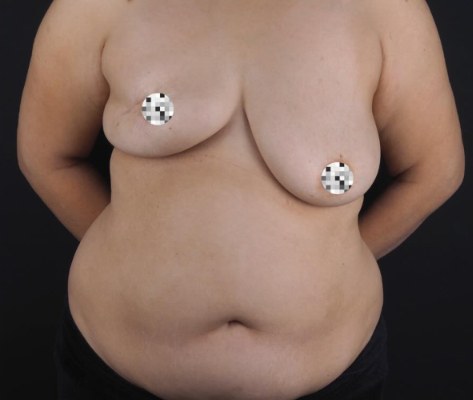
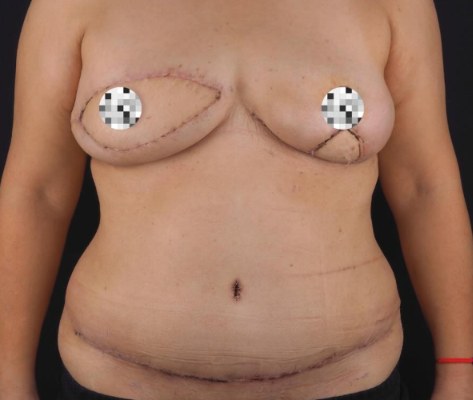
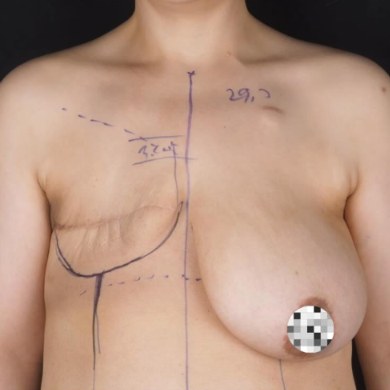
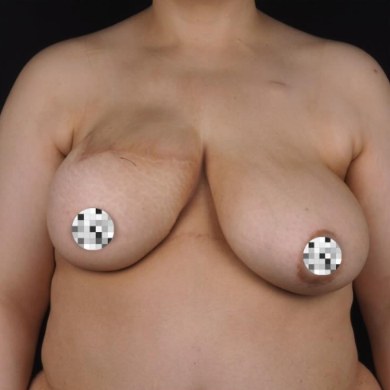
DIEP flap before and after
 BEFORE
 AFTER
 BEFORE
 AFTER
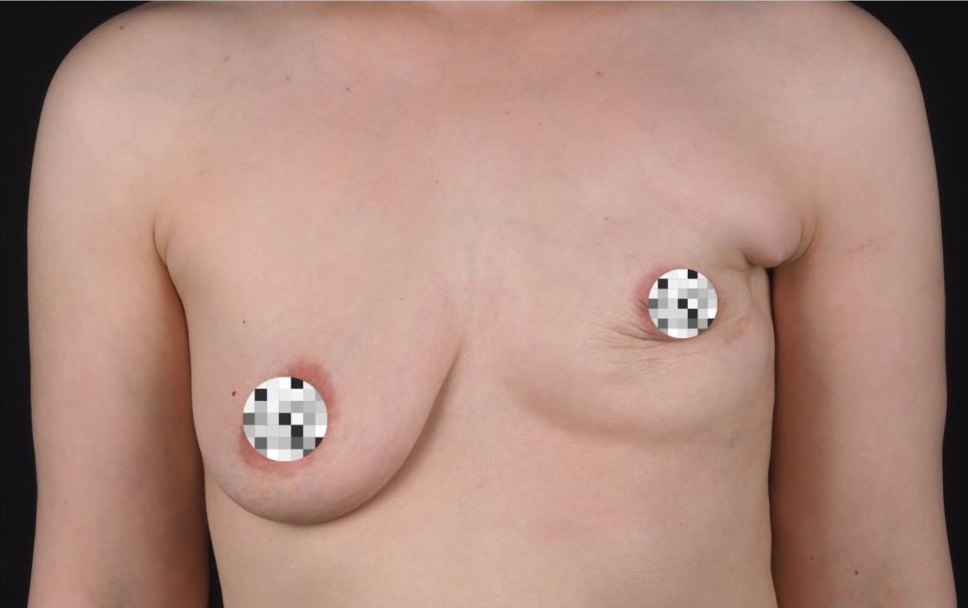 BEFORE
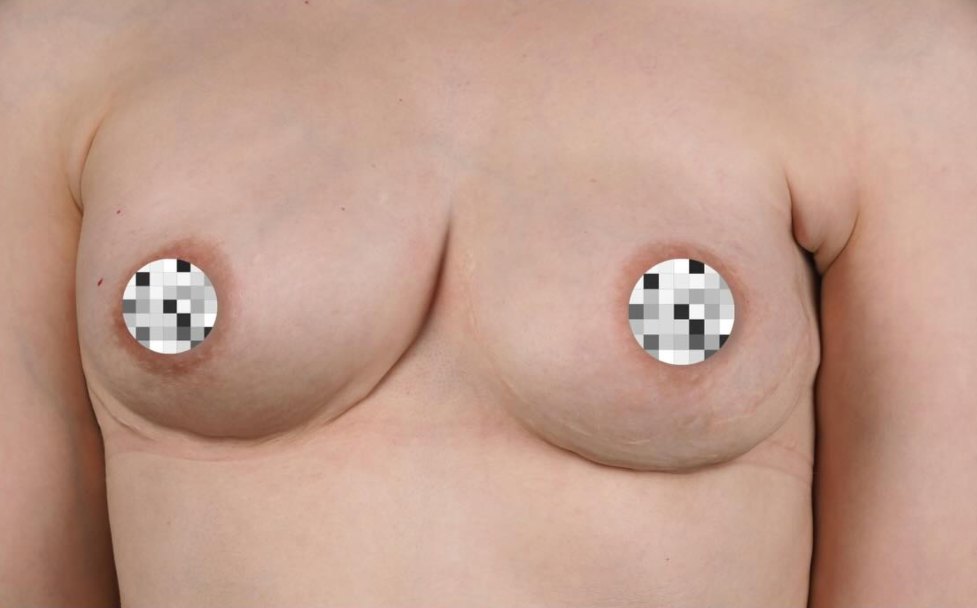 AFTER
The images are of Op. Dr. Ömercan Yağız Öksüz’s own patients; they were taken in the same setting under the same technical conditions and are shared with the patient’s written consent. The breast area is blurred for privacy and the breast contour is shown with a drawn line; no other changes have been made. Results of any surgical or interventional procedure may vary from person to person. The images are not a promise of results.
Would you like to start the process?
At an initial consultation, we decide together on the method and timing that suit you. · Op. Dr. Ömercan Yağız Öksüz · FEBOPRAS · Bağdat Avenue, Istanbul
05 · Recovery
How does recovery after a DIEP flap progress?
Five stages; the final shape settles in 3–6 months.
- In hospitalFirst 2–5 days
- First days at homeWeeks 1–2
- Back to daily lifeWeeks 3–6
- More movementWeeks 6–8
- Final shapeMonths 3–6
- In hospitalFirst 2–5 days
- Flap circulation is checked frequently in the first 24–48 hours
- You rest slightly bent in bed; walking starts on the first day
- Drains are in place in the chest and abdomen
- No pressure on the new breast, no lying on your side
- First days at homeWeeks 1–2
- Drains are usually removed in this period
- Short walks and light housework
- An abdominal binder and a supportive bra are worn
- No heavy lifting, reaching or bending
- Back to daily lifeWeeks 3–6
- Return to desk work
- Driving (with the doctor’s approval)
- Tightness in the lower abdomen eases
- No movements that strain the abdominal muscles
- More movementWeeks 6–8
- Gradual return to exercise
- The binder is no longer needed
- Scars may be pink and slightly raised
- Scars are protected from the sun
- Final shapeMonths 3–6
- Swelling fully settles, the breast takes its final shape
- Symmetry and nipple stages are planned if needed
- Check-ups and oncology follow-up continue
Abdomen: the lower abdomen becomes flatter; the scar sits close to the bikini line and the belly button is repositioned.
Shower
After the drains are removed
Driving
Weeks 3–4
Desk work
Weeks 3–6
Heavy lifting
After week 6
Exercise
Weeks 6–8
Flying
With the doctor’s approval
Times vary from person to person and by method; each step is decided with your doctor at your check-ups.
Possible risks
- Flap circulation problemsUsually in the first 24 hours, from kinking or blockage of the vessels; if noticed, the patient returns to surgery. Rarely, part or all of the flap may be lost.
- Bleeding / haematomaRarely, an additional procedure or a blood transfusion may be needed.
- Fluid collection (seroma)Mainly in the abdomen; drained if needed.
- InfectionQuite rare; treated with antibiotics if needed.
- Abdominal wall weaknessLaxity, bulging or, rarely, a hernia; another operation may be needed.
- Delayed wound healingSignificantly more common in smokers.
- AsymmetrySymmetry procedures can be done after the reconstruction if needed.
- Fat necrosisA firm area in the breast; often settles on its own.
06 · Is it right for you?
Is it right for you?
May be suitable
- People who have had or are planning a mastectomy and prefer their own tissue
- People who have had radiotherapy and whose chest skin is not suitable for an implant
- People who had problems with an implant reconstruction
- People with enough tissue volume and elasticity in the lower abdomen
We should talk first
- Heavy smoking
- Previous major abdominal surgery
- A very slim build (there may not be enough abdominal tissue)
- Diabetes, serious cardiovascular disease or a clotting disorder
Frequently asked
Questions you may still have
How long does DIEP flap surgery take?
Surgery on one side usually takes 6–8 hours; it takes longer if both sides are done at the same time. The time depends on the vessels and any additional procedures planned.
Will I have a scar on my abdomen?
Yes. A horizontal scar runs across the lower abdomen, close to the bikini line, from hip to hip, with a small scar around the belly button. The scar fades over time.
Will my abdominal muscles be harmed?
In the DIEP method the abdominal muscle is not cut; the vessels are separated out through the muscle. Laxity or a hernia of the abdominal wall can still occur, rarely.
Will the new breast have sensation?
Sensation is usually reduced; it may partly return over time. This varies from person to person.
Will the new breast change if I gain or lose weight?
Because the new breast is made of your own tissue, it may grow or shrink with changes in your weight.
Leave your number and we will call you
We can answer your questions at an initial consultation.
Thank you
Your request has reached us. We get back to you within 24 hours, except on Sundays, Mondays and public holidays.
Op. Dr. Ömercan Yağız Öksüz · author and medically responsible physicianPublished and last updated: 28 November 2026 · 7 min read