
Breast Reconstruction · Guide
Implant Breast Reconstruction: Step by Step After Mastectomy
Who breast reconstruction with a silicone implant suits, how many stages it takes and how recovery goes.
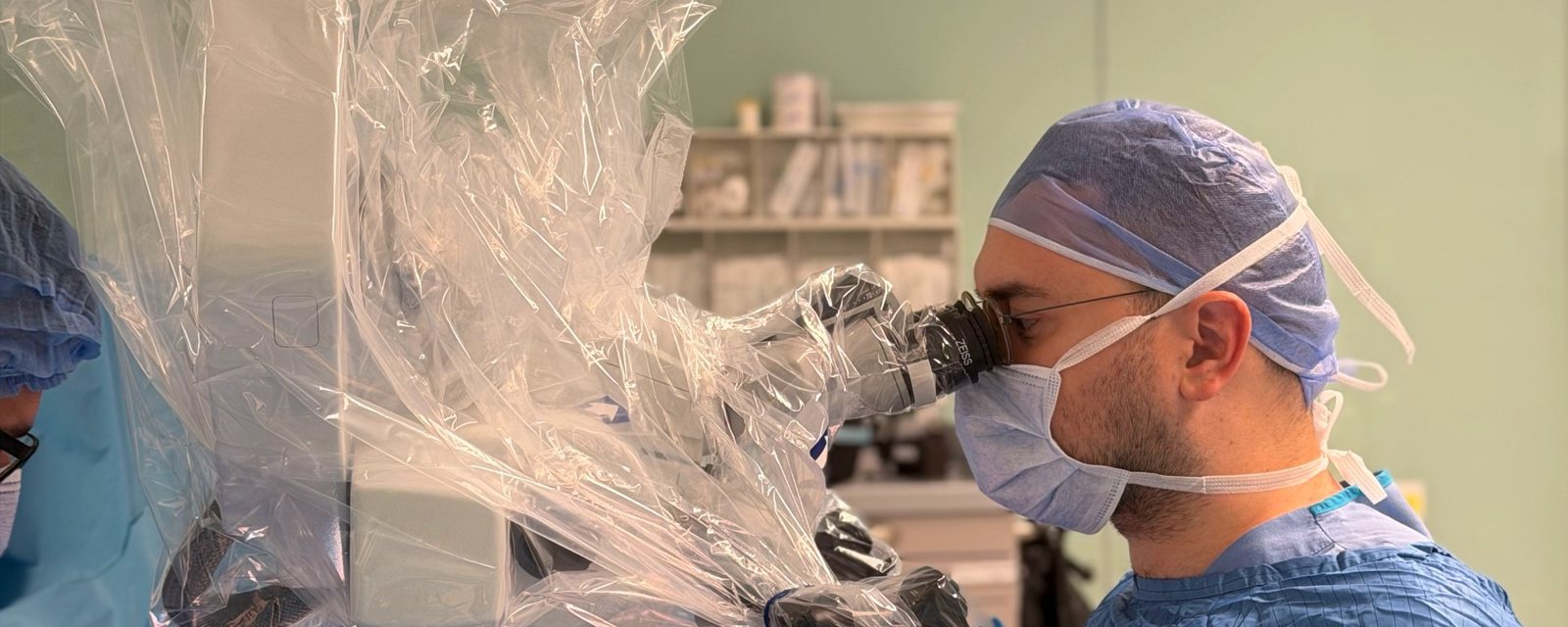
In 30 seconds
- 1Who is it for?Patients with enough healthy chest tissue who have not had radiotherapy, or were only mildly affected by it.
- 2How many stages?One stage at the time of mastectomy, or a tissue expander first and the implant later.
- 3Recovery1–2 days in hospital; desk work is usually possible after 2–3 weeks.
Removing the breast (mastectomy) is a life-saving but difficult step for many women with breast cancer. Implant breast reconstruction, which we perform in Istanbul, Turkey, rebuilds the shape of the breast with a silicone implant, without moving tissue from the abdomen or the back.
It is often chosen because it needs no second donor site and the operation is shorter.1 It is not the best option for everyone, though; the decision is made together, based on the quality of the chest skin, the radiotherapy plan and your expectations.
01 · Who it suits
Who is implant breast reconstruction suitable for?
Implant reconstruction is usually chosen after nipple-sparing or skin-sparing mastectomy. The best candidates have healthy chest skin and muscle after mastectomy, prefer to avoid a long operation, or are having both breasts treated. When both sides are reconstructed, symmetry is easier to achieve with implants.
Radiotherapy increases the risk of hardening around the implant.2 In that case, methods using your own tissue (DIEP flap) or a combination of both are discussed.
The right method is not the newest one; it is the one that fits your tissue, your treatment and your life.
 Op. Dr. Ömercan Yağız ÖksüzPlastic, Reconstructive and Aesthetic Surgery
02 · How it is done
One stage, or two stages with a tissue expander?
There are two routes. Which one is chosen depends on the condition of the skin and the breast size you would like.
One stage
Direct-to-implant
A permanent implant is placed during the mastectomy. Fewer operations; suitable skin and breast size are needed.
Two stages
Tissue expander first
If the chest skin cannot be fully relied on, an expander is placed first and filled with saline weekly; a few months later it is replaced with a permanent implant.
The implant can be placed under or over the chest muscle. When it is placed over the muscle, it is usually wrapped in a supportive tissue layer (ADM).3
In the two-stage approach, the expander also helps monitor any blood supply problems in the chest skin and temporarily fills the space left after mastectomy. Radiotherapy can be given while the expander is in place; the permanent implant is placed after treatment. Any asymmetry of the other breast can be corrected in the same second operation. The downsides are weekly visits, tightness or pain during filling, and an extra operation with extra cost. If a blood supply problem or infection develops, the expander may have to be removed early.
How is the implant chosen?
How is the implant chosen?
The surgeon explains · 2:25Watch on Instagram →
What is a tissue expander?
The surgeon explains · 1:40Watch on Instagram →
Would you like to get started?
Op. Dr. Ömercan Yağız Öksüz · FEBOPRAS · Bağdat Avenue, Istanbul
03 · Recovery
How does recovery progress after surgery?
Five stages; the final shape settles in 3–6 months.
- In hospitalFirst 1–2 days
- First days at homeWeek 1
- Back to daily lifeWeeks 2–3
- More movementAfter week 6
- Final shapeMonths 3–6
- In hospitalFirst 1–2 days
- Pain control and drain care
- Walking starts on the first day
- Discharge with a support bra
- Do not raise your arms above shoulder height
- First days at homeWeek 1
- Drains are usually removed in this period
- Short walks and light housework
- Support bra worn day and night
- No heavy lifting or straining the chest muscles
- Back to daily lifeWeeks 2–3
- Return to desk work
- Driving (with your surgeon’s approval)
- Tightness in the chest eases
- No sleeping on your front
- More movementAfter week 6
- Gradual return to sport
- Less need for the support bra
- The scar may be pink and slightly raised
- Protect the scar from the sun
- Final shapeMonths 3–6
- The tissue softens and the implant settles
- Symmetry and nipple stages are planned if needed
- Check-ups and oncology follow-up continue
In the two-stage approach, the expander is filled with saline at check-ups over several weeks; the permanent implant is placed in a second, shorter operation.
Shower
After the drains are out
Driving
Weeks 2–3
Desk work
Weeks 2–3
Heavy lifting
After week 6
Sport
After week 6
Flying
With your surgeon’s approval
Times vary by person and method; each step is decided with your surgeon at check-ups.
Possible risks
Implant exposure
The surgeon explains · 1:15Watch on Instagram →
- Capsular contractureHardening around the implant; more common after radiotherapy.
- Implant exposureA serious problem; it usually needs urgent treatment and healing can take a long time.
- InfectionSevere infection may need a hospital stay and removal of the implant; a removed implant is not reused.
- Implant displacementA corrective operation is rarely needed.
- Implant replacementThe implant may need to be replaced over the years.
- Delayed wound healingMore common in smokers and people with diabetes.
What if the implant becomes exposed during chemotherapy or radiotherapy?
- 1Assessment with the oncology teamThe decision is made together with the medical and radiation oncologists; the priority is not to delay cancer treatment.
- 2The implant is removed, the wound healsBecause of the risk of severe infection; healing takes a few weeks.
- 3Treatment starts, reconstruction laterAfter treatment, a permanent implant, an expander or reconstruction with your own tissue (DIEP Flap →) is discussed again.
Implant exposure during chemotherapy and radiotherapy
The surgeon explains · 1:26Watch on Instagram →
04 · Cases
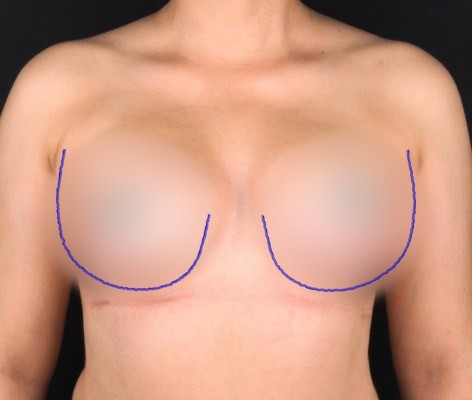
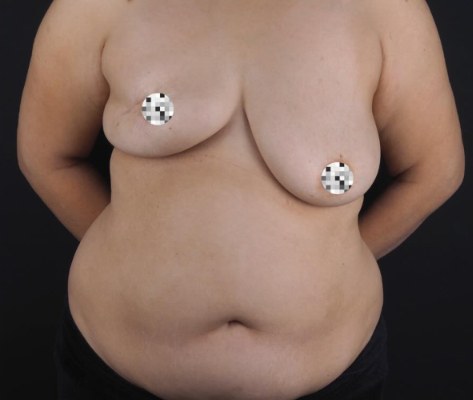
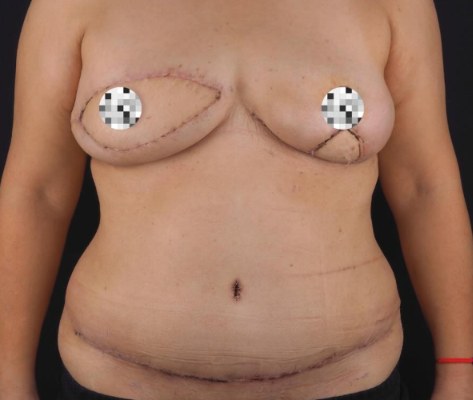
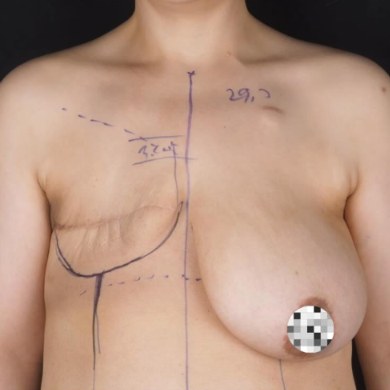
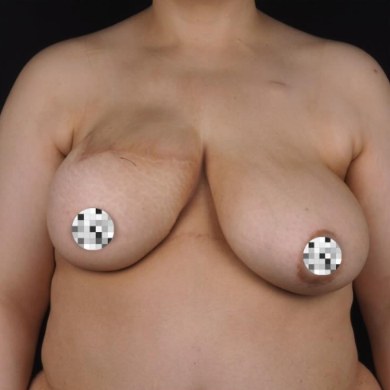
Breast reconstruction before and after
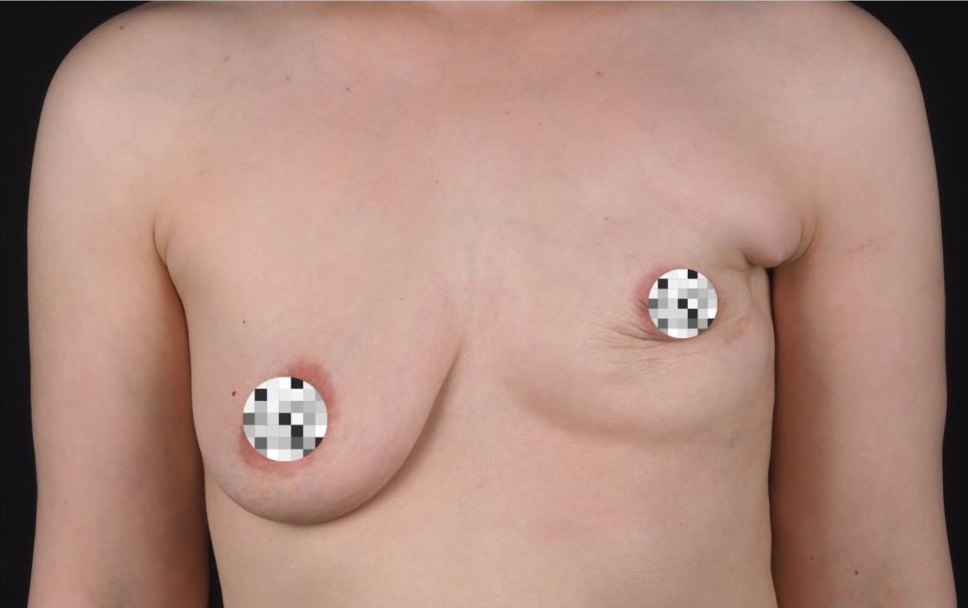 BEFORE
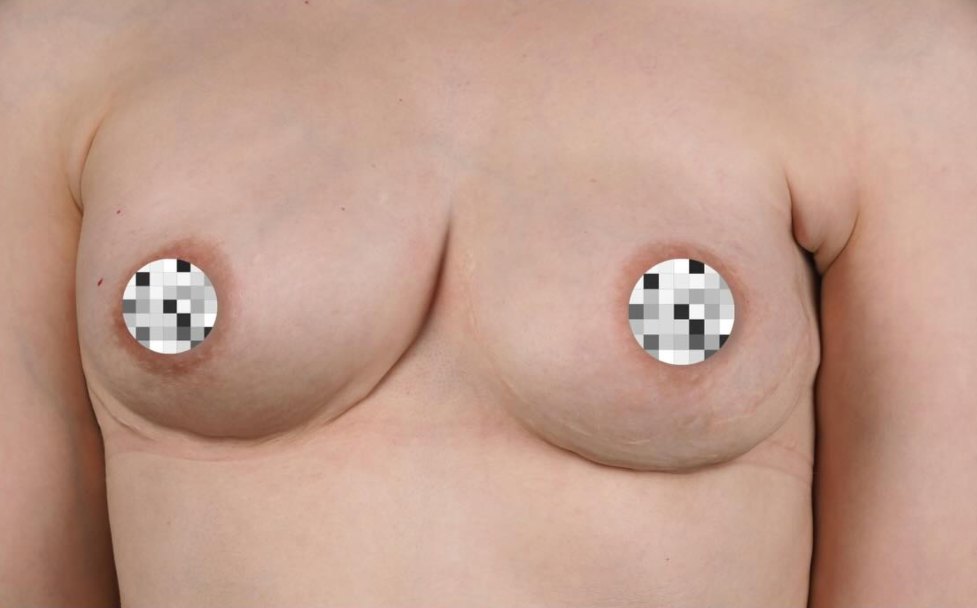 AFTER
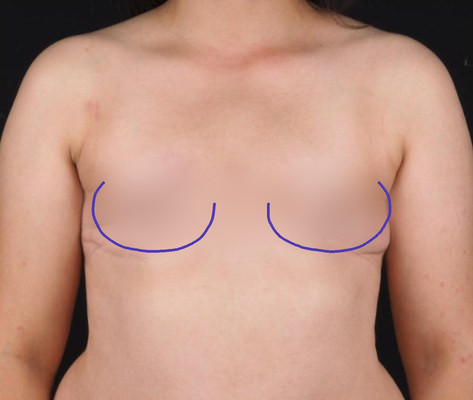 BEFORE
 AFTER
 BEFORE
 AFTER
 BEFORE
 AFTER
The images are of Op. Dr. Ömercan Yağız Öksüz’s own patients; they were taken in the same setting under the same technical conditions and are shared with the patient’s written consent. The breast area is blurred for privacy and the breast contour is shown with a drawn line; no other changes have been made. Results of any surgical or interventional procedure may vary from person to person. The images are not a promise of results.
Frequently asked
Questions you may still have
How long does implant breast reconstruction take?
Placing an implant at the time of mastectomy adds a few hours; in the two-stage approach, the second operation is shorter. The time depends on any additional procedures.
Will I have a scar on my abdomen or back?
No. Implant reconstruction does not take tissue from the abdomen or back; the scar stays on the mastectomy scar.
Does an implant last a lifetime?
An implant is not guaranteed for life. If it hardens, moves or wears over the years, it can be replaced; this is why check-ups continue regularly.
Can I have an implant if I will have radiotherapy?
Radiotherapy increases the risk of hardening around the implant. Timing, a more radiation-resistant implant or own-tissue methods are then discussed together.
Can I have a mammogram with an implant?
Yes. Mammography or ultrasound can be done with an implant; just tell the imaging centre about your implant.
Will my chemotherapy or radiotherapy be delayed if the implant becomes exposed?
The priority is not to delay cancer treatment. Usually the implant is removed and treatment starts once the wound has healed in a few weeks; reconstruction is discussed after treatment.
Leave your number and we will call you
We can answer your questions at an initial consultation.
Thank you
Your request has reached us. We get back to you within 24 hours, except on Sundays, Mondays and public holidays.
Op. Dr. Ömercan Yağız Öksüzauthor and medically responsible physicianPublished and last updated: 28 November 2026
7 min read