
Breast Surgery · In three chapters
Breast Augmentation Surgery
Who the operation is suitable for, which incision is chosen and how recovery actually goes, in three sections.
01
What is breast augmentation surgery?
Understanding

Breast augmentation surgery (augmentation mammaplasty) is an operation in which breast implants are used to increase the volume and improve the shape of the breasts in women who are not satisfied with their current breast size.
The operation is performed for women aged 18 and over who are unhappy with their breast volume, do not have significant breast sagging and whose general health is suitable for surgery.
The breast is seen as an important part of the body; bringing breast volume into ideal proportion can have a positive effect on a patient's self-confidence.
02
Is it right for you, and which incision is chosen?
Deciding
At the examination, the patient's body measurements, the thickness of the breast tissue, the chest width, the quality of the breast skin and any asymmetry are assessed. If a breast lift is needed, this is stated clearly to the patient. First of all, why the patient wants the operation and what she expects are discussed.
In breast augmentation, the incision can be made in the fold under the breast, around the nipple or in the armpit. The fold under the breast is the most commonly preferred approach, because the scar is hidden in the fold and implant placement can be controlled more easily this way; Op. Dr. Ömercan Yağız Öksüz uses this approach most often in his own practice.
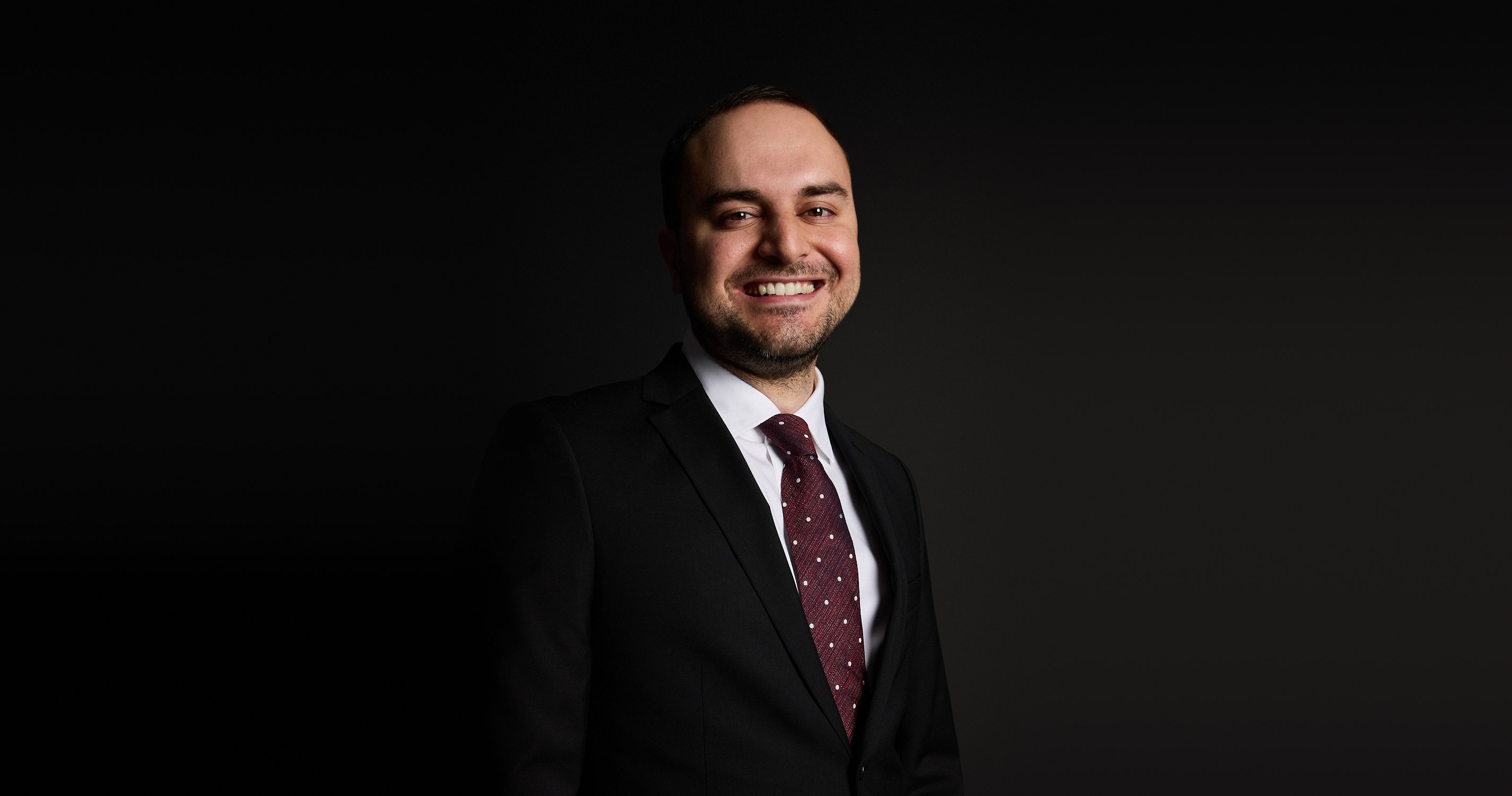
“The aim is not to focus on a particular implant volume but to choose the implant that best suits the patient.”
Who it suits
Women aged 18 and over who are not satisfied with their current breast volume, whose general health is suitable for surgery and who do not have significant sagging.
Who it is not for
It is not performed in patients with significant sagging who have not first had a breast lift (it may increase the sagging), before a breast deformity is corrected, or in patients with a high anaesthetic risk or a serious systemic illness that makes surgery unsuitable.
How is implant size (cc) chosen?
Implant volume is what patients focus on most. What matters, however, is the width of the chest wall and the existing breast tissue; every patient's measurements are different. The aim is not a particular number of cc but the implant that best suits the patient, and enough time is set aside at the examination for this choice.
Is the result permanent?
The breast is a dynamic organ: weight changes, breastfeeding and pregnancy can cause sagging over time; this can happen independently of the implant and may require revision surgery.
| Breast fold | Around the nipple | Armpit | |
|---|---|---|---|
| Use | Most common | Less often | In selected patients |
| Scar | Hidden in the breast fold | At the edge of the nipple, less noticeable transition | No scar on the breast |
| For whom | Most patients | Patients for whom the scar colour transition is not a concern | Patients who want no scar on the breast at all |
Which incision is suitable is decided at the examination, according to the patient's anatomy and expectations.
Would you like to get started?
Op. Dr. Ömercan Yağız Öksüz · FEBOPRAS · Bağdat Avenue, Istanbul
03
Surgery and recovery
The process
- 1Examination and planning
Body measurements, breast tissue, chest width, skin quality and asymmetry are assessed; the incision site and the implant are decided together.
- 2Surgery
Under anaesthesia, the implant is placed through the chosen incision. Drains are not used unless there is significant bleeding.
- 3Walking the same day
The patient gets up 4–6 hours after surgery and goes home the same day or the next day.
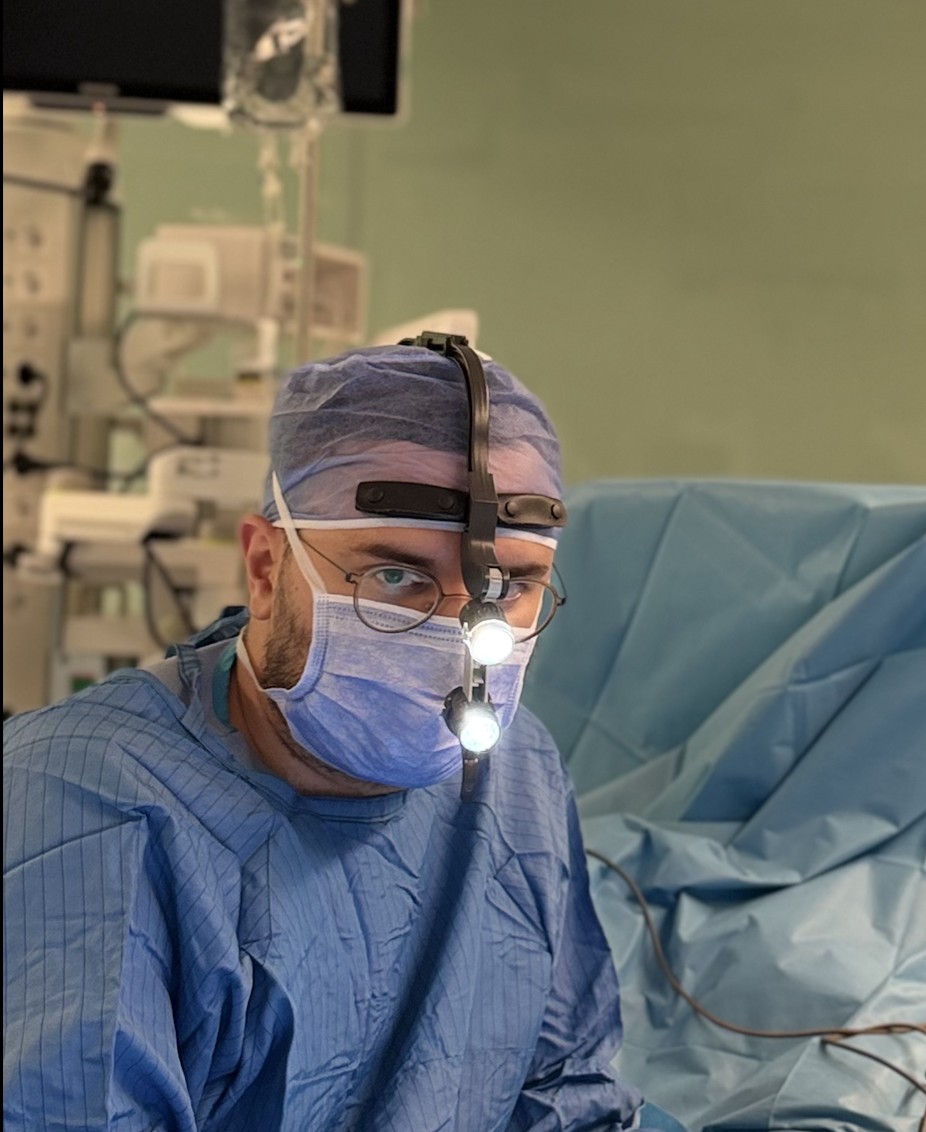
Op. Dr. Ömercan Yağız Öksüz · Plastic, Reconstructive and Aesthetic Surgery. About the surgeon →
Recovery stages
In 4 phases; strenuous exercise resumes after the first month.
- In hospitalDay of surgery
- First weekWeek 1
- Back to daily lifeWeek 2 – month 1
- Full returnAfter month 1
- In hospitalDay of surgery
- Getting up after 4–6 hours
- Going home the same day or the next day
- No heavy lifting
- First weekWeek 1
- Arm movements are limited if the implant is placed under the muscle
- Check-up at 1 week
- No raising the arms above the head and no heavy lifting
- Back to daily lifeWeek 2 – month 1
- Normal movements resume from the second week
- Check-ups at 2 weeks and 1 month
- No strenuous sport or exercise
- Full returnAfter month 1
- Strenuous sport and exercise can begin
- Check-ups at 3 and 6 months
- Weight changes, breastfeeding and pregnancy can affect the result
Getting up
After 4–6 hours
Going home
Same day or next day
Normal movements
From week 2
Strenuous exercise
After month 1
Check-ups
Weeks 1 and 2, months 1, 3 and 6
Timings vary from person to person; each step is decided with your surgeon at check-ups.
Possible risks
- Implant infectionIt is quite uncommon; with appropriate surgical technique and patient compliance it rarely occurs.
- BleedingIt can occur during or after surgery; further intervention is carried out if needed.
- Wound separationIt is more common in patients with inadequate wound care and in those with other medical conditions.
- Implant displacementThe implant position can change over time or after trauma; revision surgery is carried out if needed.
- Capsular contractureHardening of the tissue capsule around the implant; it can appear in later years and some patients may need surgery.
04 · Cases
Breast augmentation before and after
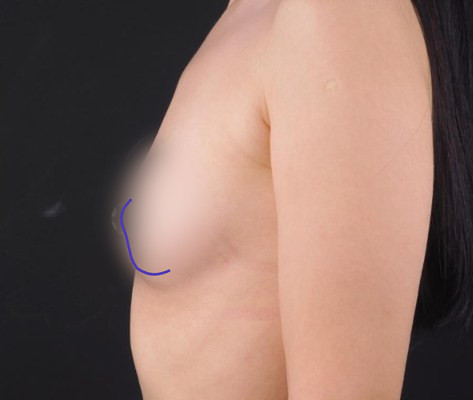 BEFORE
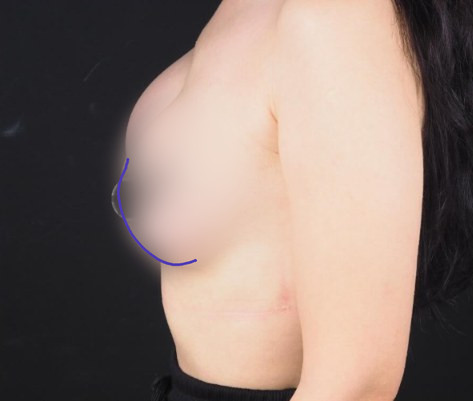 AFTER
These images belong to Op. Dr. Ömercan Yağız Öksüz's own patients; they were taken under the same setting and technical conditions and are shared with the patient's written consent. For privacy, the breast area has been blurred and the breast contour shown with a line; no other alteration has been made to the result. Results of any surgical or interventional procedure vary from person to person. The images are not a promise of results.
Frequently asked
Questions you may still have
Do implants have a lifespan?
No fixed lifespan can be given for implants. However, implants can develop complications over time, in which case they may need to be replaced or removed.
Can I have my implants removed whenever I want?
Yes, they can be removed. However, deformity and sagging of the breast may develop after removal.
Do breast implants cause cancer?
There is no evidence that implants increase the risk of breast cancer; a large meta-analysis showed that implants do not increase breast cancer risk. A rare type of lymphoma (BIA-ALCL) developing in the capsule around the implant has been reported with some textured implant types; this is not breast cancer, and some of these types are no longer used.
Will breastfeeding affect my implants?
Breastfeeding has no effect on the implants.
Will my breasts sag with implants?
Weight changes, breastfeeding and pregnancy can cause the breasts to sag over time. This can happen independently of the implant and may require revision surgery.
Which implant shape and size (cc) should I choose?
There is no single right answer; the decision is made according to the patient's wishes and needs, together with the examination findings.
Is implant infection common?
It is quite uncommon; with appropriate surgical technique and patient compliance this risk rarely occurs.
Can the body reject an implant?
A tissue layer called a capsule forms around every implant as a natural part of healing. In some patients this capsule keeps thickening; this can lead to changes in the breast skin, tightening around the implant and pain. In that case the capsule tissue and the implant are removed, and a new implant is placed or not, according to the patient's wishes.
Leave your number and we will call you
We can answer your questions at an initial consultation.
Thank you
Your request has reached us. We get back to you within 24 hours, except on Sundays, Mondays and public holidays.
 Op. Dr. Ömercan Yağız ÖksüzAuthor and medically responsible physician
Published and last updated: 29 November 2026
6 min read
Sources
- American Society of Plastic Surgeons · Breast augmentation, risks and safety
- American Society of Plastic Surgeons · What you need to know about capsular contracture
- FDA · Questions and answers about breast implant-associated anaplastic large cell lymphoma (BIA-ALCL)
- Deapen D. Breast implants and cancer: causation, delayed detection, and survival. Plast Reconstr Surg, 2001
Related pages